Hair fall is not just a hair problem. For many women, it feels emotional. You wake up and comb your hair, and there you see more strands than usual. At first, you try to ignore it, hoping female hair loss treatment won’t be needed yet. You tell yourself it will stop soon. But weeks pass, and the hair fall continues. Slowly, your ponytail feels thinner. The mirror feels different.
Many women go through this silently. I have seen friends panic and lose confidence because of hair loss. The truth is, female hair loss is very common. The good news is that with the right female hair loss treatment, hair doctors can help control and improve the condition over time.
Why Hair Loss Is Becoming More Common in Women
Hair loss in women is increasing every year. It is not just because of age. Nowadays, the modern lifestyle plays a big role. Women today handle many responsibilities at once. This pressure affects both body and mind.
Daily Factors That Slowly Damage Hair
Hair doctors often say hair loss does not start suddenly. It builds up slowly.
- Busy schedules and also constant stress
- Skipping meals
- Lack of sleep for long periods
- Ignoring early signs of hair thinning
Hormonal Changes and Female Hair Loss
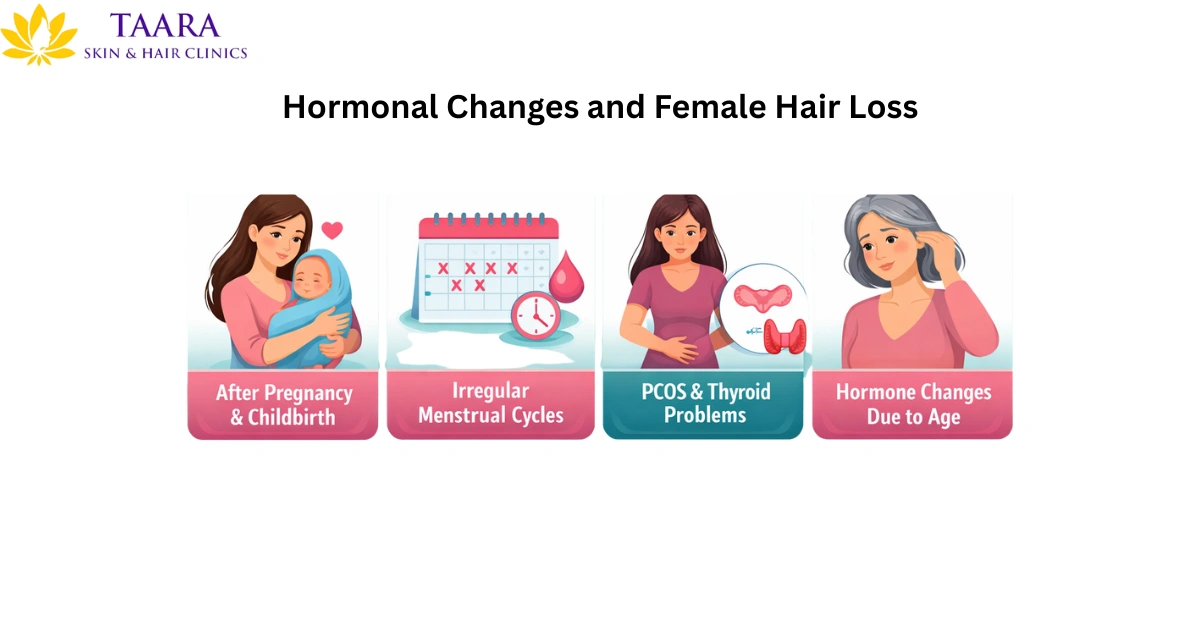
Hormones control many functions in a woman’s body. Hair growth is one of them. Even small hormonal changes can affect the hair cycle.
Life Stages Where Hormones Affect Hair
Doctors often notice hair loss during these phases:
- After pregnancy and childbirth
- During irregular menstrual cycles
- PCOS and thyroid Problems
- Hormone changes due to age
Missing Nutrients and Thin hair growth
Hair is made up of protein and with proper nutrients. When your body does not get proper nutrients, hair growth becomes slow. Many women think hair loss is just caused by outside factors, but the real problem will start inside the body.
Common Nutrient Gaps Seen by Doctors
Hair specialists usually check these levels:
- Low iron causing hair thinning
- Poor protein intake
- Low Vitamin D deficiency
- vitamin B12 levels
Stress and Emotional Health Impact on Hair
Stress is invisible, but it affects real life. When stress stays for a long time, it pushes hair into the shedding phase.
How Stress Triggers Hair Fall
Hair doctors explain stress-related hair loss like this:
- Stress disturbs hair growth cycle
- More hair enters resting phase
- Hair shedding increases suddenly
- Regrowth becomes slow
Lifestyle Habits That Increase your Hair Loss
Small habits may not seem harmful. But over time, they weaken hair roots. Many women unknowingly damage their hair daily.
Everyday Lifestyle Mistakes That Affect Female Hair Loss Treatment
Doctors often point out these habits:
- Sleeping late regularly
- Drinking less water
- No physical activity
- Constant screen exposure
Hair Care Mistakes Women usually Ignore
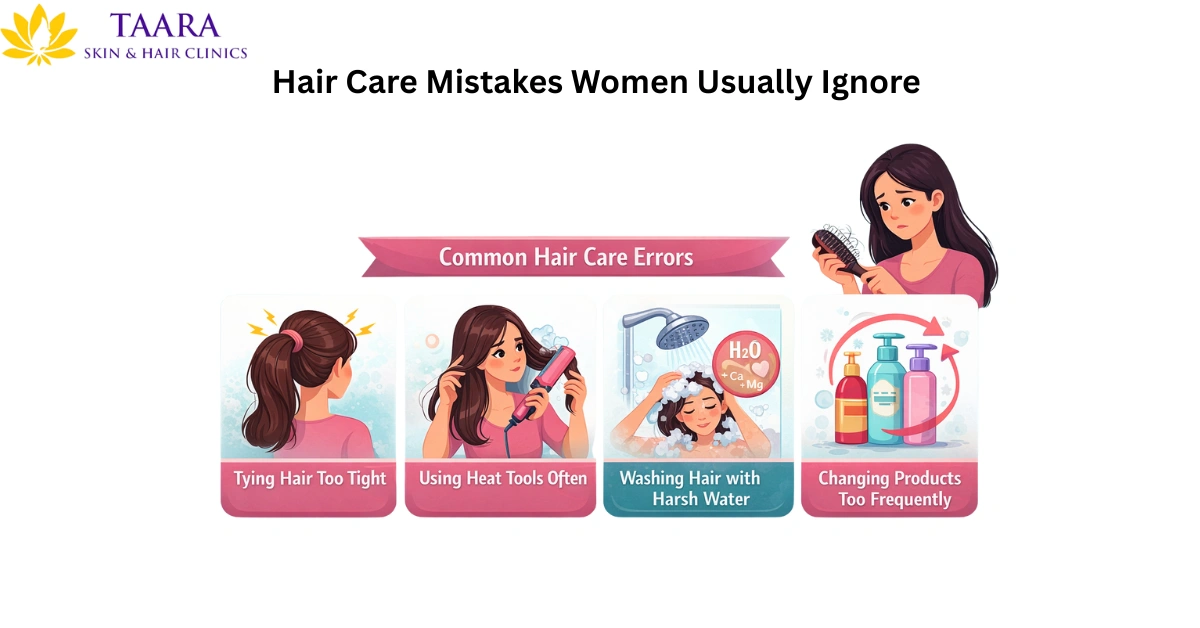
Hair care is not just about shampoo and oil. Wrong methods can increase hair fall instead of reducing it.
Common Hair Care Errors
Hair doctors warn women about:
- Tying hair too tight
- Using heat tools often
- Washing hair with harsh water
- Changing products too frequently
Medical Conditions relate to Female Hair Loss
Sometimes hair loss is a sign of a deeper issue. Treating hair alone will not help you unless the root cause is addressed.
Health Problems Doctors Check First
Doctors may suggest tests for:
- Thyroid disorders
- PCOS-related imbalance
- Autoimmune conditions
- Long-term illness
Genetic Hair Loss in Women 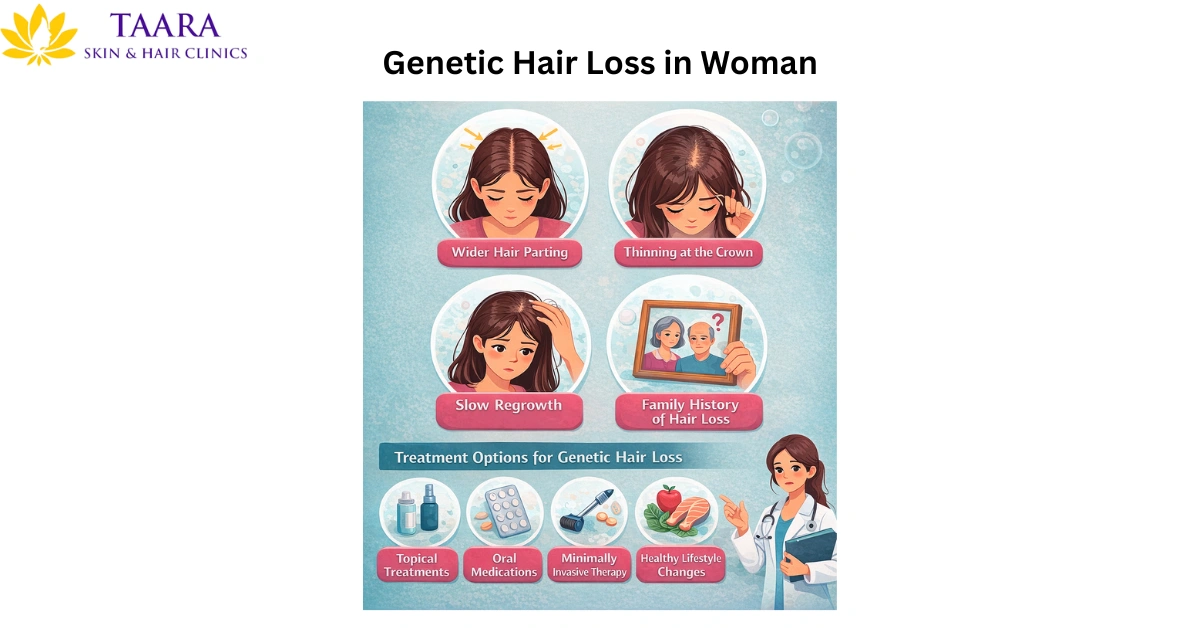
Some women experience hair thinning because of family history. This type of hair loss happens slowly and needs early care.
How Genetics Affect Female Hair
Doctors notice these signs:
- Wider hair parting
- Thinning at the crown
- Slow regrowth
- Family history of hair loss
When to See a Hair Doctor for Female Hair Loss Treatment
Many women try more home remedies for months before seeing a doctor. This will really delay that and can worsen the problem.
Signs You Need Professional Female Hair Loss Treatment
Hair doctors suggest consultation if:
- Hair fall lasts more than 3 months
- Visible scalp areas appear
- Sudden heavy shedding occurs
- Home remedies show no result
Doctor Recommended Treatments for Female Hair Loss
Doctors choose female hair loss treatment based on the cause, age, and health condition.
Common Doctor-Recommended Treatments
Most treatment plans will include these:
- Includes Proper Nutritional supplements
- Medicated hair solutions
- Scalp treatment therapies
- Diet and lifestyle correction
Role of Diet in Female Hair Loss Treatment
Food plays a major role in hair recovery. But without proper nutrition, even medical treatments may not work well for your problem.
Foods That Support Hair Growth
Doctors usually recommend:
- Proper Protein-rich foods
- Leafy vegetables
- Dry fruits and seeds
- Fruits with vitamins
Scalp Care and Its Importance
Healthy hair grows from a healthy scalp. Many women focus only on hair length and ignore scalp health.
How Doctors Improve Scalp Health
Scalp care includes:
- Proper cleansing routine
- Treating dandruff early
- Improving blood circulation
- Avoiding product buildup
Can Natural Remedies Help Hair Loss?
Natural remedies can support treatment but may not be enough alone. Doctors see them as supportive care.
Safe Natural Practices
Doctors usually allow:
- Gentle oil massage
- Mild herbal masks
- Stress reduction techniques
- Consistent hair routine
How Long Does Female Hair Loss Treatment Take?
Hair growth is slow. Many women expect fast results and feel disappointed. Patience is key.
What Doctors Tell About Results
Hair recovery timeline:
- Hair fall reduces in 2-3 months
- New hair growth starts slowly
- Thickness improves over time
- Consistency gives best results
Emotional Side of Hair Loss in Women
Hair loss affects confidence. Many women feel embarrassed or anxious, even if they do not say it aloud.
Mental Health Matters Too
Doctors encourage:
- Talking about hair concerns
- Avoiding self-blame
- Staying patient with treatment
- Seeking emotional support
Common Myths About Female Hair Loss Treatment
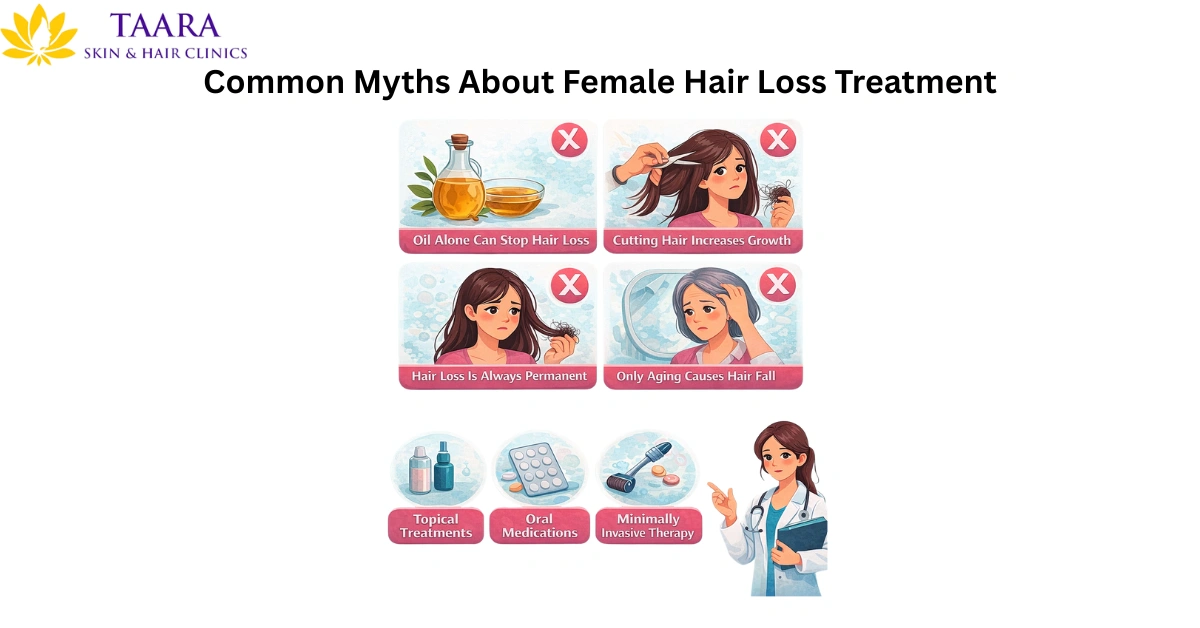
Many myths confuse women and delay treatment. Believing wrong advice can worsen hair loss.
Common Hair Loss Myths
Hair doctors clear these myths:
- Oil alone can stop hair loss
- Cutting hair increases growth
- Hair loss is always permanent
- Only aging causes hair fall
How to Prevent Hair Loss from Getting Worse
Prevention is easier than treatment. Early care can save hair density.
Simple Prevention Tips
Doctors suggest:
- Balanced daily diet
- Regular sleep routine
- Gentle hair handling
- Early medical advice
Take Control of Female Hair Loss Treatment Early
Female hair loss can feel very stressful these days, but it can be treated with the right care along with proper diet. The first step is to understand the real cause and choose the correct treatment for your hair. Hair doctors will focus on long-term cure for your hair to look healthy, but not quick or temporary fixes.
With proper care, patience, and expert guidance, hair fall can be reduced and healthy growth can return. Do not wait until the problem becomes serious. Listen to your body, take action early, and give your hair the care it truly deserves.
“If excessive hair fall continues, consulting a qualified hair specialist helps identify the root cause early.”